
Liberian crude palm oil suits refiners in West Africa and the EU who want a nearby origin outside Southeast Asia. Sailing times to Ghana are short, Europe is closer than from Malaysia or Indonesia, and Liberia is an ECOWAS member, which matters for duty in the region. The trade-offs are smaller parcel sizes, quality that varies by mill and season, and traceability work that has to be done properly for the EU.
This guide sets out what refiners should expect. For our product, specification and terms, see crude palm oil from Liberia.
Where Liberian CPO fits
Liberia produces palm oil on large plantations and on many smaller farms. Output is small next to Southeast Asia, so Liberian oil is not a replacement for a refinery's main origin. It is a second source that can shorten supply lines, spread risk and, for EU buyers, come with plot-level data under the EUDR.
| Item | Liberia | Southeast Asia |
|---|---|---|
| Distance to West African refiners | Short sailing | Long voyage around the Cape or through Suez |
| Distance to EU ports | Shorter than from Asia | Longer |
| Typical parcel | Flexitanks and smaller parcels | Large bulk parcels |
| Volume available | Limited | Very large |
| Traceability | Built shipment by shipment | Wide range, often mature systems at large groups |
For refiners in Ghana and West Africa
Ghana and several neighbouring countries refine more palm oil than they produce, so they import crude oil. Buying from within the region shortens transit and reduces the time oil spends heated in flexitanks, which helps keep FFA down.
Points to settle before the first contract:
- Duty status. Goods originating in an ECOWAS member state can qualify for duty-free treatment under the ECOWAS Trade Liberalisation Scheme, if the right certificate of origin is issued. Check the current rules with your customs broker.
- Discharge. Flexitanks need heating and a pump at discharge. Confirm you can receive them, or agree delivery to a terminal.
- Payment. Many regional buyers use cash against documents. See payment terms explained.
- Quality basis. Agree whether quality is final at loading or discharge.
For refiners and importers in the EU
For EU refiners, Liberian CPO offers a shorter voyage and an origin where traceability can be built in from the start. From 30 December 2026, large and medium operators placing palm oil on the EU market need a due diligence statement backed by plot geolocation. That makes the data package as important as the oil.
Before buying, ask the seller:
- How far the traceability goes: to the mill, the plantation or every plot
- Whether the oil for your contract is kept separate from untraced oil
- What format the geolocation comes in, and whether it has been checked against forest cover for 31 December 2020
- What legality evidence is provided
Our guide to EUDR due diligence for palm oil explains what you need and why.
Quality and seasonality
Liberian mills range from modern plants to small, older ones. Quality depends on how fresh the fruit is when it reaches the mill, how well the oil is clarified and dried, and how it is stored. This is why a seller's job is to select and test, not just to buy.
Production also follows the crop cycle. Fruit supply peaks in part of the year and falls in the dry season, which can change both availability and FFA.
Our note on CPO quality: FFA, M&I and DOBI explains how each parameter affects your refinery.
Logistics from Monrovia
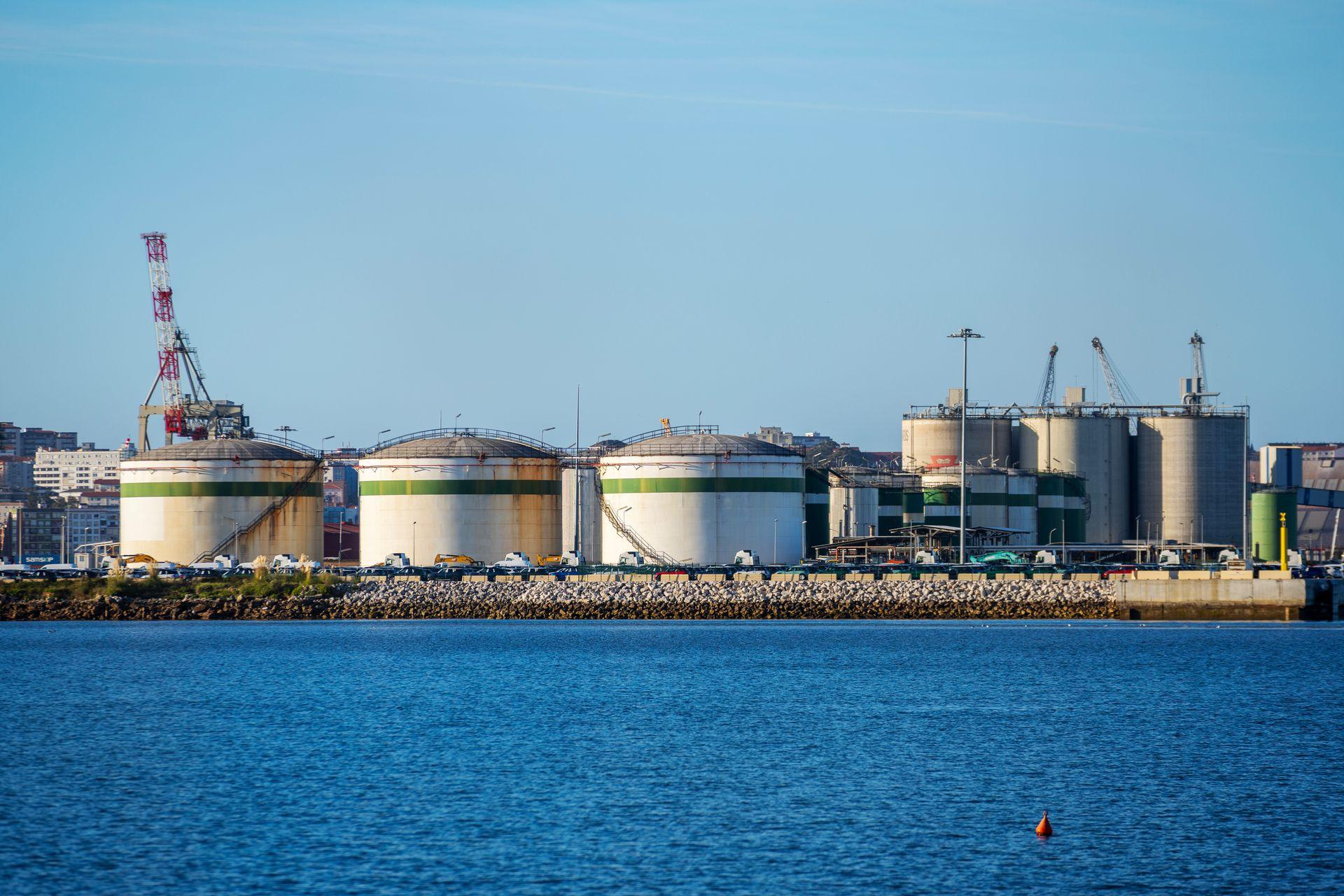
Most Liberian CPO for export leaves through the Freeport of Monrovia, in flexitanks inside 20ft containers. Flexitank shipments suit buyers who want to start with a single container and build up. For larger volumes, ask about bulk options. We ship CPO in 22 tonne flexitanks, in ISO tanks or as bulk parcels from 20 tonnes, and parcels are typically ready to load 7 to 14 days after contract. See shipping from Monrovia for routes and Incoterms.
Why buy through a trader
A refiner abroad has little visibility of which mill produced a parcel, how it was stored or whether the paperwork will satisfy customs and EUDR checks. A trader that tests every parcel before loading and carries one contract takes much of that risk off the refiner. That is the role we play. For EU buyers, note that we are not yet EUDR compliant and are working towards it; see our EUDR status.